
Noc Out Networks
VoIP Phone Systems for Cape Coral Businesses – Noc Out Networks
VoIP Phone Systems
Modern VoIP Phone Systems for Local Businesses
Voice over Internet Protocol (VoIP) phone systems represent the modern approach to business communications, transmitting calls over internet connections rather than traditional copper telephone lines. For small and mid-sized businesses in Cape Coral and Southwest Florida, VoIP phone systems for small business deliver professional communication features previously available only to large enterprises—auto attendants, call routing, voicemail-to-email, mobile apps, and analytics—at affordable monthly rates without expensive on-premises equipment. Modern business phone solutions eliminate the limitations of legacy phone systems: adding new extensions takes minutes instead of requiring technician visits, employees can answer business calls from anywhere using mobile apps, and advanced features like call recording and analytics come standard rather than costing extra. As your Cape Coral VoIP provider, Noc Out Networks delivers cloud-based phone systems integrated with the network infrastructure and IT support that ensure clear, reliable calls and productive business communications.
What Is a VoIP Phone System?
Understanding what is a VoIP phone system clarifies how modern businesses are moving away from traditional landlines. VoIP converts voice into digital data packets that travel over internet connections—the same networks carrying email, web browsing, and file transfers. With hosted VoIP explained simply: rather than maintaining expensive on-premises PBX equipment in your office, the phone system intelligence lives in your provider’s cloud data center, accessible via internet from any location. This cloud PBX for business architecture means you pay monthly subscription fees per user instead of large upfront capital expenses, receive automatic feature updates without equipment upgrades, and gain flexibility to add or remove users instantly. Your phones connect to internet networks just like computers, receiving both data connectivity and power through single Ethernet cables when using Power over Ethernet (PoE) technology.
01
Discovery
We begin by performing a comprehensive evaluation of your current network environment.
02
Strategy Development
Based on the findings, we design a tailored network security strategy aligned with your business objectives
03
Implementation
Implementation turns approved plans into working solutions by configuring, integrating, testing, and launching systems so they reliably deliver the intended business outcomes.
04
Training & Support
Training and support empower users to confidently operate technology, offering guided instruction, documentation, and ongoing help to resolve issues and maintain smooth daily operations.
Our IT Services

How can We Help?
We’re here to help with support, guidance, and resources. Reach out to us anytime.
How VoIP Works Compared to Traditional Phone Lines
The fundamental difference between VoIP vs traditional phone lines lies in how calls are transmitted and where the phone system intelligence resides. Traditional systems use dedicated copper circuits from phone company central offices, with on-premises PBX equipment managing internal call routing. How hosted VoIP works involves your desk phones, computers, and mobile devices connecting to cloud-based servers over internet, where all call processing occurs—transferring calls, playing hold music, routing to departments, recording conversations, and connecting to the outside telephone network. Cloud based phone system basics mean your internet connection becomes critical infrastructure: adequate bandwidth ensures quality, and business-class internet with appropriate upload speeds prevents choppy audio or dropped calls. The benefit is flexibility—calls can reach employees anywhere they have internet access, and adding new features or users happens through web portals rather than requiring on-site equipment changes.
Core Features of Modern VoIP Systems
What distinguishes business VoIP features from basic phone service is the sophisticated call handling available through cloud-based platforms. Auto attendant and call routing functionality greets callers with professional menus, routes calls to appropriate departments or individuals, handles overflow to alternate numbers when lines are busy, and adjusts routing based on time of day or day of week. Voicemail to email and recording capabilities deliver messages as audio files attached to emails, optionally transcribe voicemail to text, record calls for quality assurance or compliance, and store recordings in searchable archives. Additional features include conference calling without separate services, SMS text messaging from business numbers, presence indicators showing colleague availability, and integration with business software for click-to-dial and automatic call logging.
On Premises vs. Hosted VoIP Phone Systems
When comparing hosted VoIP vs on premise options, most small and mid-sized businesses benefit from cloud-hosted solutions. On-premises systems require purchasing and maintaining PBX servers in your office, hiring or contracting specialists to manage the system, planning and funding periodic hardware refreshes, and assuming responsibility for backups, security, and reliability. Choose the right phone system by considering your resources and priorities: hosted solutions offer lower upfront costs, automatic updates and maintenance, disaster recovery built in, and provider-managed reliability and support. Cloud phone benefits include easy scaling as you grow, geographic flexibility for distributed teams, and access to enterprise-grade features without enterprise-grade capital investment. We typically recommend hosted VoIP for Cape Coral businesses unless specific requirements around call control, regulatory compliance, or existing infrastructure make on-premises deployment advantageous.
VoIP Phone System Features from Noc Out Networks
Our VoIP phone system features deliver the advanced capabilities Cape Coral businesses need for professional communications without overwhelming complexity. These advanced business phone features transform how your team handles customer calls, collaborates internally, and maintains availability regardless of location. VoIP solutions from Noc Out Networks emphasize practical functionality that enhances daily operations rather than checking boxes with features you’ll never use.
Local and Toll Free Numbers with Porting Support
Maintaining your established phone presence is critical when switching providers. We provide local VoIP numbers in Cape Coral’s 239 area code for businesses wanting local identity, plus additional local numbers in any area code if you serve multiple markets. You can port business phone numbers from your existing provider, keeping the numbers customers and partners know while gaining VoIP advantages. The porting process typically takes 7-14 business days, during which we coordinate with your old carrier to transfer numbers without interrupting service. We also offer toll free numbers for small business (800, 888, 877, etc.) for companies wanting to provide free calling for customers, plus vanity numbers when available that spell words or create memorable patterns supporting marketing efforts.
Auto Attendants, IVR, and Smart Call Routing
Professional call handling starts the moment customers dial your number. Our auto attendant setup greets callers with customized messages and menu options—”Press 1 for Sales, Press 2 for Support”—routing calls to appropriate destinations without receptionist intervention. Intelligent call routing enables sophisticated rules: time-of-day routing sends after-hours calls to voicemail or answering services, overflow routing directs calls to alternate numbers when primary lines are busy, geographic routing connects callers to nearest office locations, and VIP routing prioritizes important customers to dedicated staff. IVR for small business (Interactive Voice Response) extends beyond simple menus to collect information before routing—gathering account numbers, appointment types, or service requests that prepare staff before they answer.
Voicemail to Email, Call Recording, and Analytics
Modern voicemail transcends blinking lights on desk phones. Our voicemail to email feature delivers messages as audio file attachments, includes text transcriptions for quick review without listening, and can send copies to multiple email addresses or mobile devices. Business call recording captures conversations for quality assurance, training new staff, resolving disputes about what was discussed, and meeting compliance requirements in regulated industries. Call analytics and reporting track metrics including total calls handled, average wait times, missed calls and busy signals, call duration and peak volume periods, and per-employee call activity. These insights inform staffing decisions, identify training opportunities, and document communication patterns supporting business operations.
Softphones, Mobile Apps, and Desk Phone Support
True communication flexibility means choosing how and where to take calls. We support traditional desk phones for employees who prefer physical devices with buttons and handsets, mobile VoIP apps that turn smartphones into full-featured business phones with your company number displayed on caller ID, and softphone for business applications running on computers for all-day headset users. This desk phone and smartphone integration means employees can start calls on desk phones then transfer to mobile apps when leaving the office, receive calls simultaneously on multiple devices, and choose preferred devices for different situations—all while maintaining professional presence with business numbers and features regardless of which device they’re using.
Benefits of VoIP Phone Systems for Cape Coral Businesses
Understanding the benefits of VoIP for small business helps explain why organizations are rapidly abandoning traditional phone systems. The combination of cost savings, operational flexibility, and enhanced capabilities makes VoIP compelling for companies seeking to reduce phone costs while improving communication effectiveness. Flexible business communication systems support modern work patterns that traditional phone systems simply cannot accommodate.
Lower Costs and Predictable Monthly Pricing
Most businesses reduce phone bills with VoIP by 30-60% compared to traditional phone company charges. Savings come from eliminating per-line charges for physical phone company circuits, avoiding long-distance fees since calls travel over internet, including features like voicemail and call forwarding at no extra charge, and paying only for users you need rather than excess capacity. Predictable phone system pricing through monthly per-user subscriptions simplifies budgeting and eliminates surprise bills from long-distance calls or feature charges. When you save vs traditional lines, the difference often pays for improved internet bandwidth needed to support VoIP, delivers positive return on investment within months, and provides superior features compared to basic phone service at lower total cost.
Work from Anywhere with the Same Business Number
Remote work VoIP capabilities enable distributed teams to maintain professional communication regardless of location. Employees can answer business calls anywhere using mobile apps, softphones on computers, or call forwarding to personal devices while displaying the business number on recipient caller ID. This location flexibility means home-based workers function identically to office staff, traveling employees stay reachable on business numbers, and satellite offices connect seamlessly into unified phone systems. VoIP for hybrid teams supports flexible work arrangements without sacrificing call quality, professional presence, or the ability to transfer calls between colleagues regardless of their physical locations.
Scale Up or Down Quickly as Your Team Changes
Traditional phone systems make growth painful—adding users requires purchasing equipment, scheduling installation appointments, and often committing to multi-year contracts. VoIP systems scale phone system capacity instantly: add or remove extensions through web portals in minutes, activate new users immediately when hiring, deactivate departures without equipment waste, expand to new locations without premises visits, and adjust feature sets as needs evolve. This phone system for growing businesses adapts to seasonal fluctuations, business expansion, office relocations, and acquisition integration without the friction and expense traditional systems impose.
Better Customer Experience with Smart Routing and Features
Phone systems directly impact customer satisfaction and sales conversion. Improve customer experience with VoIP through features that reduce friction and frustration: smart call routing connects callers to appropriate staff immediately, professionally recorded greetings and hold music create positive impressions, voicemail ensures no call goes completely unanswered, call-back options when wait times are long preserve customer time, and SMS messaging enables text-based communication for customers preferring that channel. This professional phone presence helps small businesses compete with larger competitors by delivering enterprise-quality communication experiences that reflect well on your organization.
VoIP Phone Systems for Different Business Types
Different industries have unique communication patterns and requirements. Our VoIP solutions address specific needs across business types rather than offering one-size-fits-all packages.
Offices, Professional Services, and Call Heavy Teams
Professional environments with significant phone volume benefit from sophisticated call management. Phone systems for offices support multiple concurrent calls, organized extensions for every employee, conference bridge access for multi-party calls, and integration with calendars and directories. VoIP for law and accounting firms addresses compliance requirements through call recording, client communication documentation, and secure voicemail. Call center style queues for small business implement features like automatic call distribution to available agents, hold queue management with position announcements, wrap-up time between calls for note-taking, real-time and historical queue statistics, and supervisor monitoring and whisper coaching capabilities.
Healthcare, Clinics, and Appointment Driven Businesses
Medical practices and healthcare providers have specific communication needs. VoIP for healthcare supports HIPAA-compliant call recording and voicemail, separate lines for appointments versus clinical questions, on-call schedules that route emergency calls appropriately, and integration with practice management systems. Clinic phone systems handle high call volumes efficiently through intelligent routing, reduce appointment no-shows with automated reminder capabilities, protect patient privacy through appropriate security controls, and enable telehealth consultations via integrated video. Appointment and scheduling calls benefit from features like callback options during busy periods, after-hours appointment requests captured via voicemail, and easy transfers between scheduling, clinical, and billing departments.
Home Services, Trades, and Field Teams
Contractors and service businesses need communication systems that support mobile workforces. VoIP for contractors enables technicians to answer customer calls directly from job sites, office dispatch to coordinate schedules and assignments, call routing that finds available technicians based on location or specialty, and mobile apps that function identically to office phones. Phone systems for home services support features like after-hours emergency call routing, appointment confirmation and reminder capabilities, job status updates via call or SMS, and integration with dispatch and scheduling software. Field team communication benefits from voicemail-to-email for quick review between jobs, click-to-dial from work orders and customer records, and presence indicators showing which technicians are available versus on calls or in appointments.
Retail, Restaurants, and Hospitality
Customer-facing businesses require reliable communication with specific features. VoIP for restaurants supports reservation management systems integration, kitchen-to-front communication, curbside pickup coordination via SMS and calls, and multi-location management for chains. Retail phone systems handle incoming customer inquiries efficiently, coordinate between sales floor and back office, manage inventory questions across locations, and support seasonal staffing changes through easy user management. Hospitality business phone solutions address guest services coordination, interdepartmental communication, wake-up call services, and multi-property call routing. These environments benefit from durable phones resistant to moisture and temperature extremes, clear audio in noisy environments, and simple operation for high-turnover staff.
Integration with Your Network, Internet, and Low Voltage Cabling
VoIP phone quality depends heavily on underlying network infrastructure. Our comprehensive approach addresses all technical requirements together rather than treating phones as separate from networking.
Network Readiness and Quality of Service (QoS)
Voice calls require different network treatment than general data traffic. Our VoIP QoS configuration prioritizes voice packets to prevent delays and dropouts, reserves bandwidth specifically for phone traffic, monitors network performance for issues affecting call quality, and tests end-to-end performance before deployment. Network assessment for VoIP evaluates current internet bandwidth and utilization, switch capacity and QoS capabilities, WiFi performance for wireless phones, and overall reliability for business-critical communications. We ensure HD call quality through proper configuration, adequate internet speeds (typically 100kbps upload and download per concurrent call), and network equipment capable of prioritizing voice traffic appropriately. Poor networks cause choppy audio, dropped calls, and one-way audio—problems professional assessment and configuration prevent.
Structured Cabling and PoE for Desk Phones
Modern IP phones connect via Ethernet rather than traditional phone jacks. Our structured cabling for phones provides CAT5e or CAT6 network drops to phone locations, proper termination at patch panels and jacks, organized cable management supporting reliability, and labeling for easy troubleshooting and changes. We configure PoE phones setup that powers phones through network cables, eliminating need for electrical outlets at every desk phone location, simplifying installation and reducing costs, and providing centralized power backup through UPS systems protecting switches. Low voltage wiring for VoIP follows professional standards, maintains proper cable specifications and bend radius, separates voice from interference sources, and supports future bandwidth requirements as phone technology evolves.
Integration with Existing IT and Security Systems
Modern phone systems integrate with broader technology ecosystems. We integrate VoIP with IT systems including Active Directory for user management, Microsoft 365 or Google Workspace for presence integration, CRM systems for click-to-dial and automatic call logging, and help desk platforms for ticket creation from voicemails. Phone and security integrations enable door phones and intercom systems to call extensions or mobile phones, access control systems to unlock doors after extension authentication, and paging that interfaces with overhead speakers throughout facilities. This unified communications platform approach treats voice as one component of integrated business communications rather than isolated phone service.
Our VoIP Phone System Implementation Process

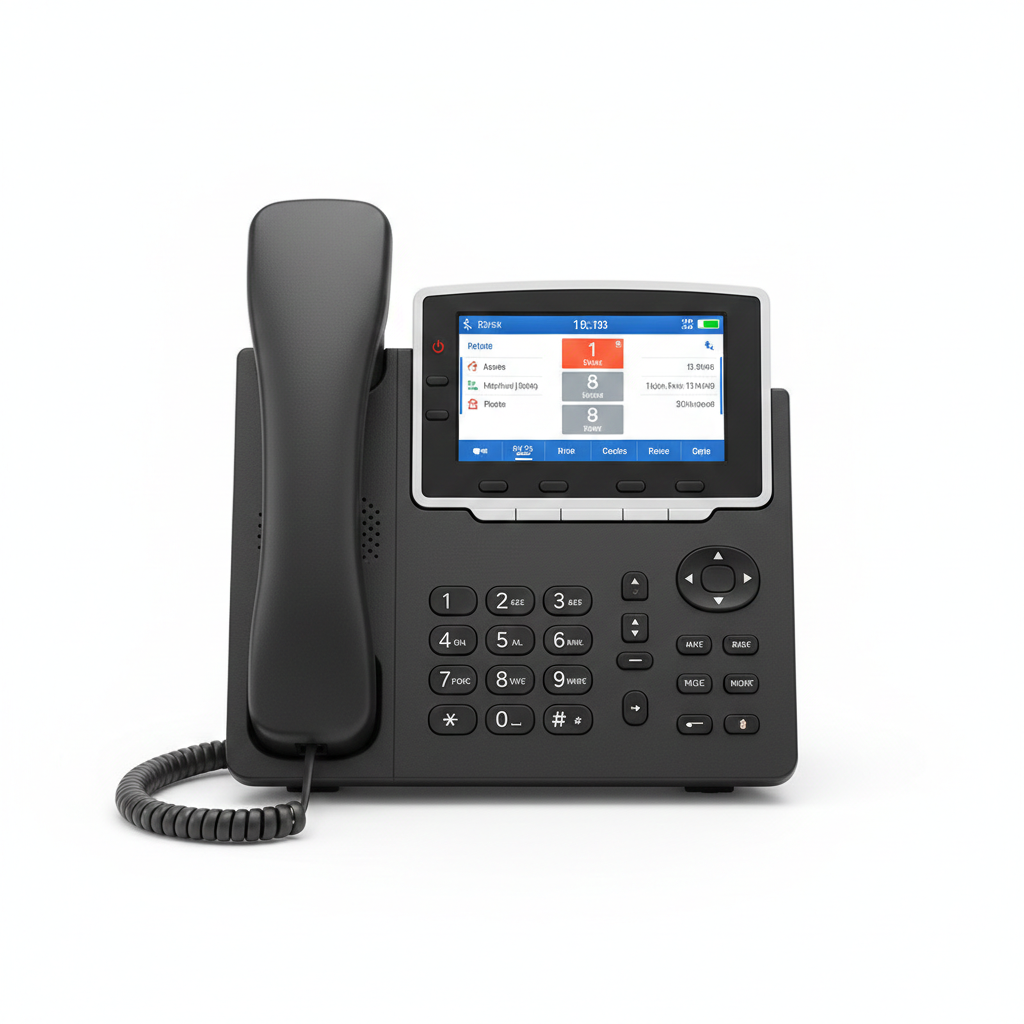

Transitioning to VoIP requires careful planning and execution. Our VoIP implementation process ensures smooth switches to VoIP phone systems without disrupting business operations. These VoIP rollout steps follow proven methodology minimizing risk while delivering prompt results.
Phone System Assessment and Planning
Every deployment begins with phone system assessment understanding current communication setup, costs, and pain points. We review current phone costs including line charges, long distance, and features to establish baseline for comparison, analyze call flows and routing requirements, identify user groups with different feature needs, understand integration requirements with other systems, and assess network infrastructure readiness. This design your VoIP solution phase produces detailed implementation plans showing proposed call flows and auto attendant structures, user assignments and feature allocations, number porting timeline and strategy, network modifications required, and training and support approach.
Configuration, Number Porting, and Pilot Setup
Once plans are approved, we configure VoIP phone system settings including user extensions and permissions, auto attendant menus and routing rules, voicemail greetings and options, and integration with business systems. We manage port numbers to VoIP process coordinating with current carriers, submitting porting requests with required documentation, scheduling cutover dates minimizing disruption, and maintaining service continuity throughout transition. For larger deployments, we often pilot cloud phone system with small user groups, gathering feedback on configuration and features, identifying and resolving any issues before full rollout, and refining training based on real user experience.
Deployment, Training, and Ongoing Optimization
Full-scale VoIP deployment proceeds systematically with phone distribution and installation, network activation and testing, final number porting coordination, and go-live support ensuring smooth transitions. Comprehensive user training on new phones covers making and receiving calls on various devices, accessing voicemail and managing settings, transferring calls and using hold features, operating conference calling and other advanced features, and knowing how to request support when issues arise. Post-deployment, we optimize call flows over time based on usage patterns and feedback, adjusting auto attendant menus and routing rules, fine-tuning call quality settings, and adding features as users become comfortable with core functionality.
Why Cape Coral Businesses Choose Noc Out Networks for VoIP
Selecting a VoIP provider in Cape Coral requires evaluating technical expertise, integration capabilities, local presence, and ongoing support. Our unique combination distinguishes us from national VoIP providers and single-service telecommunications companies.
Local Team Focused on Southwest Florida Businesses
Unlike national providers with distant call centers, our local VoIP support comes from Cape Coral phone system provider teams who know you and your business. Being a southwest Florida communication partner means understanding seasonal business patterns, supporting local industries and their specific needs, and providing responsive service without lengthy hold times or ticket escalations. We're invested in maintaining strong relationships with businesses we serve, can be on-site quickly when situations require hands-on attention, and coordinate effectively with other local service providers serving mutual clients.
Integrated IT, Network, and VoIP Support from One Partner
A significant advantage of working with Noc Out Networks is our one provider for IT and phones approach. While most VoIP providers only handle phone service, we also manage the networks, internet connectivity, and IT systems that VoIP depends on. This integrated VoIP and network support means unified troubleshooting when issues arise—we don't point fingers between separate phone and network vendors, we diagnose and resolve problems holistically. As your unified technology partner, we ensure network infrastructure supports quality voice calls, integrate phones with other business systems, and coordinate changes across your technology ecosystem without requiring you to manage multiple vendors.
Flexible, Business Friendly Plans and Long Term Relationships
We focus on appropriate solutions rather than selling predetermined packages. Our flexible VoIP plans right-size features and user counts to actual needs, scale easily as requirements change, offer transparent pricing without hidden fees, and provide month-to-month terms rather than long lock-in contracts for most situations. VoIP for growing businesses needs providers who support evolution: adding seasonal staff, opening new locations, integrating acquisitions, or adjusting features as operations mature. Our long term phone system partner approach means we advise on technology decisions aligned with business goals, proactively suggest improvements as opportunities arise, and maintain relationships spanning years rather than completing installation then disappearing.
VoIP Phone Systems FAQ – Noc Out Networks
Can I keep my existing business phone numbers?
Yes, you can port numbers to VoIP and keep existing phone numbers through local number portability regulations. The process to keep existing phone number typically takes 7-14 business days and requires providing documentation to your current carrier authorizing the transfer. We manage the entire porting process, coordinating timing to minimize disruption, maintaining temporary call forwarding during transition if needed, and ensuring numbers transfer cleanly without outages. You can port main business lines, direct dial numbers, toll-free numbers, and even fax numbers to VoIP services. Porting preserves your established business identity while gaining VoIP advantages.
What internet speed do I need for VoIP?
Internet requirements for VoIP depend on concurrent call volume and other internet usage. Bandwidth needed for VoIP calls is approximately 100kbps upload and download per simultaneous call, meaning a business with 10 employees making concurrent calls needs roughly 1Mbps dedicated to voice. Most businesses benefit from business-class internet with at least 25-50Mbps upload speeds, dedicated circuits rather than residential-grade connections, Quality of Service configuration prioritizing voice traffic, and adequate overhead for other business applications. VoIP and internet speed relationship is critical—insufficient bandwidth or unstable connections cause choppy audio, dropped calls, and poor call quality. We assess your current internet and recommend upgrades if necessary before deployment.
Will my phones still work during an internet or power outage?
VoIP reliability depends on internet and power availability, requiring backup planning. VoIP during internet outage options include LTE failover devices that automatically route calls over cellular when primary internet fails, call forwarding to mobile phones when connectivity is lost, and maintaining some traditional phone lines for emergency backup. Backup options for VoIP include uninterruptible power supplies (UPS) protecting network equipment and phones during brief outages, generator backup for extended power failures, and mobile apps allowing staff to continue answering business calls from anywhere with cellular or WiFi. Failover for phone systems can be automatic or manual depending on configuration and budget. While VoIP depends on internet connectivity, proper planning ensures business communications remain available during most disruption scenarios.
How much do VoIP phone systems cost?
VoIP phone system cost varies based on user count, features, and equipment. Business VoIP pricing typically ranges from $20-50 per user monthly for hosted VoIP service including standard features, plus one-time costs for desk phones ($100-300 per phone depending on model) and any required network infrastructure upgrades. When you compare VoIP vs traditional phone costs, consider that traditional services often charge $40-80 per line for basic service before adding features like voicemail, call forwarding, or long distance. VoIP includes most features standard, eliminates per-minute long distance charges, and scales more affordably. Total cost depends on choosing desk phones versus softphones/mobile apps, feature requirements and integrations, number of concurrent calls needed, and whether network infrastructure requires upgrades to support voice quality.
Can you integrate VoIP with our existing CRM or tools?
Yes, modern VoIP platforms support VoIP and CRM integration with popular business software. Integration capabilities include click to dial from CRM allowing one-click calling from contact records, screen pops displaying customer information when calls arrive, automatic call logging recording calls in CRM timelines without manual entry, and call outcome tracking documenting conversation results. Many CRM and business applications offer native VoIP integration through built-in connectors or app marketplaces. We can log calls automatically in systems like Salesforce, HubSpot, Microsoft Dynamics, Zoho, and industry-specific platforms. The specific integration capabilities and setup complexity vary by VoIP platform and business software, but most modern cloud-based tools offer some level of phone system integration improving efficiency and customer service.
Do you serve areas outside Cape Coral?
Yes, we provide VoIP services in Cape Coral and Fort Myers plus throughout Southwest Florida including Naples, Bonita Springs, Estero, and other Lee and Collier County communities. As a Southwest Florida VoIP provider, we support businesses across the region with the same responsive service and local expertise. Our regional business phone systems extend to any organization within reasonable distance for on-site support when needed, though most VoIP management happens remotely through web portals and support systems. We serve clients throughout Florida and even beyond for hosted VoIP services, though local presence becomes particularly valuable for network infrastructure assessment and integration with other technology systems.
GET IN TOUCH
Whether you’re facing a current threat, planning your IT defense strategy. We’re here to help.
3108 Del Prado Blvd S, Cape Coral, FL, USA
Contact Noc Out Networks for VoIP Phone Systems
Ready to upgrade to voip phone systems that reduce costs, increase flexibility, and improve communication for your Cape Coral business? Contact Noc Out Networks to discuss your current phone setup, explore VoIP advantages, and receive a detailed proposal showing costs, features, and implementation timeline.
Schedule Your VoIP Phone System Consultation
Book VoIP consultation by calling (239) 437-4357, emailing Support@nocoutnetworks.com, or visiting our office at 3108 Del Prado Blvd S, Cape Coral, FL 33904. During the consultation, we’ll request phone system assessment reviewing your current phone bill and costs, discussing how your team uses phones and any pain points, understanding integration needs with other systems, assessing network readiness for VoIP, and identifying appropriate feature requirements. Following the consultation, we’ll compare VoIP options for your business with detailed proposals including side-by-side cost comparison against current phone expenses, recommended features and user configurations, implementation timeline and transition plan, and training and support approach. This consultation is educational and pressure-free—just an opportunity to understand if VoIP makes sense for your organization.
Serving Cape Coral, Fort Myers, and Southwest Florida Businesses
Noc Out Networks has provided VoIP phone systems in Cape Coral and Fort Myers for over 25 years, helping Southwest Florida businesses modernize communications while reducing costs and improving flexibility. As your Southwest Florida business phone solutions provider, we combine telecommunications expertise with network and IT capabilities ensuring phone systems perform reliably on properly designed infrastructure. Our local VoIP communication partner commitment means responsive support from people who understand your business, integration with managed IT and network services for unified technology management, and long-term relationships supporting your communication needs as your organization evolves. Let’s discuss how modern VoIP phone systems can transform business communications while delivering cost savings and operational advantages.